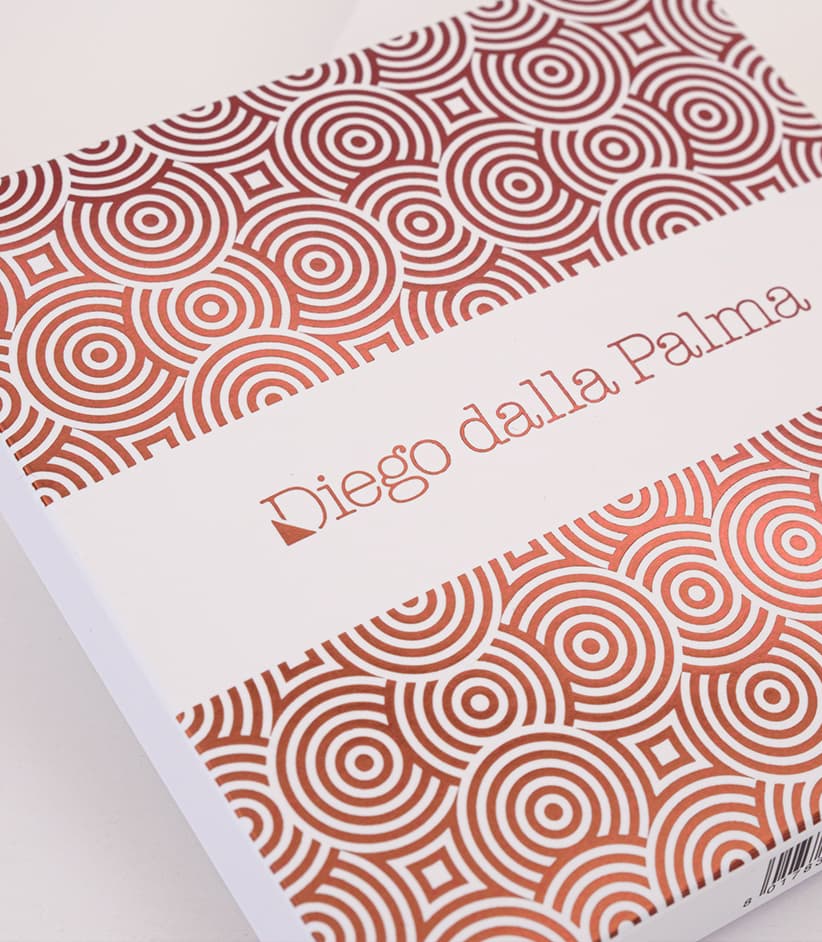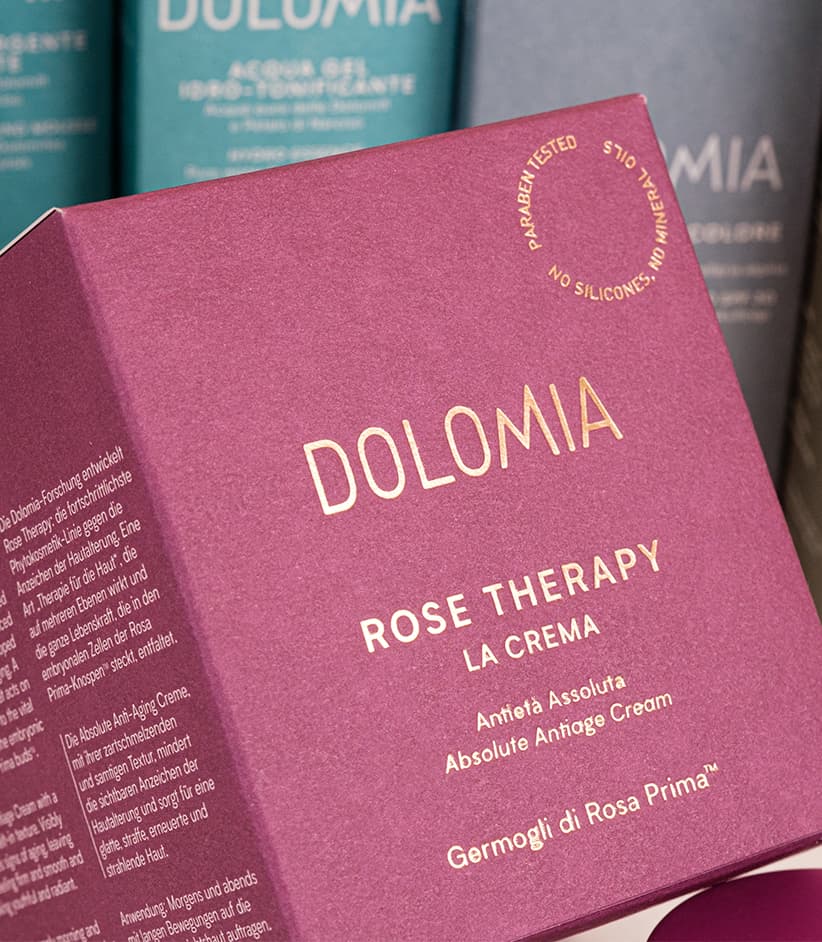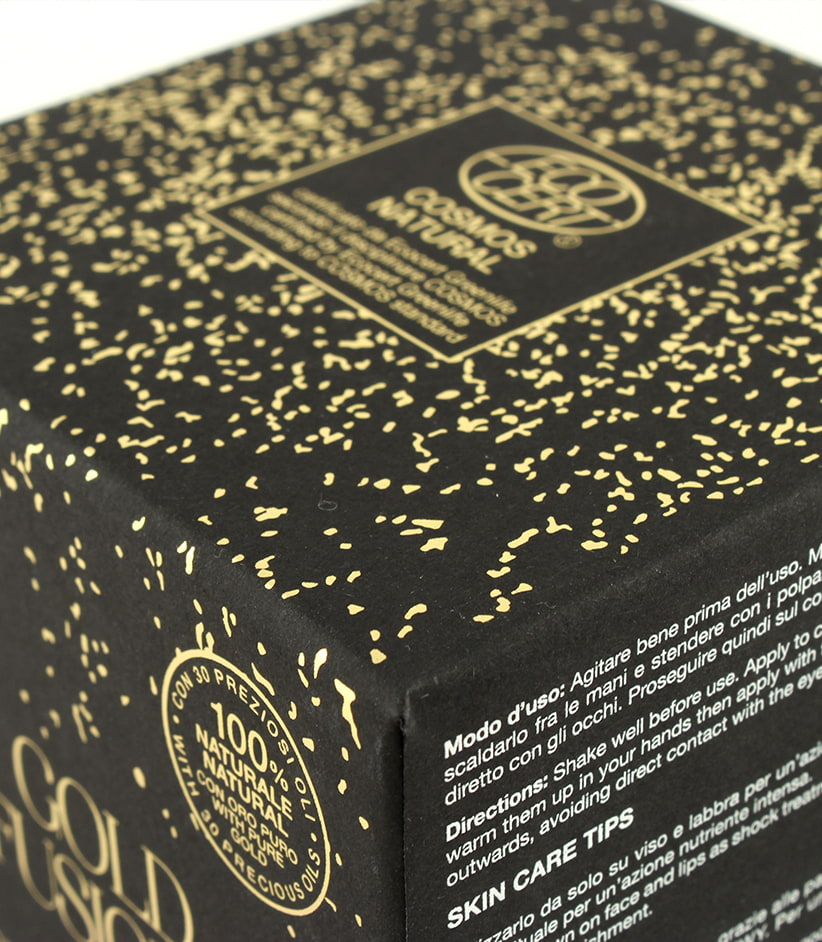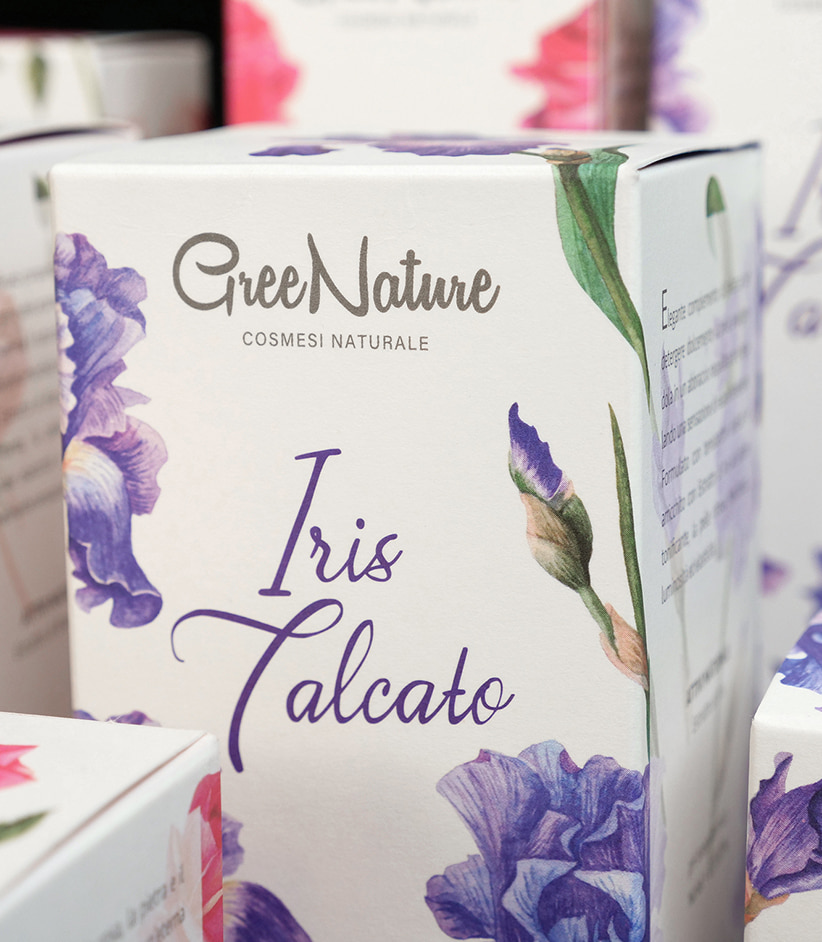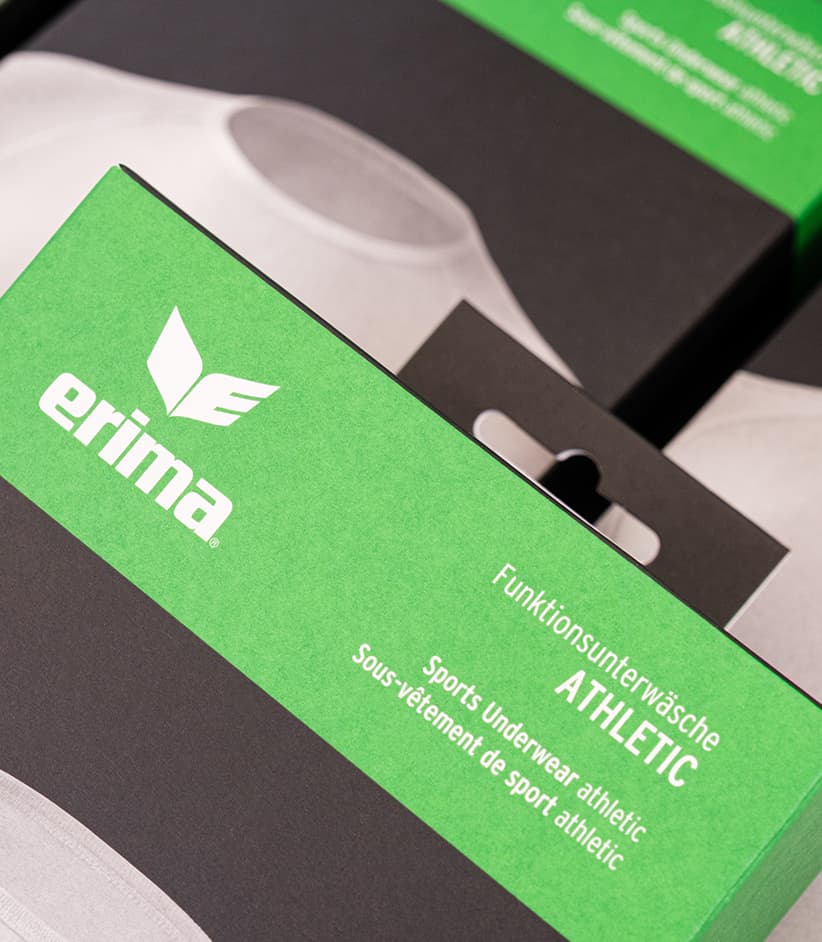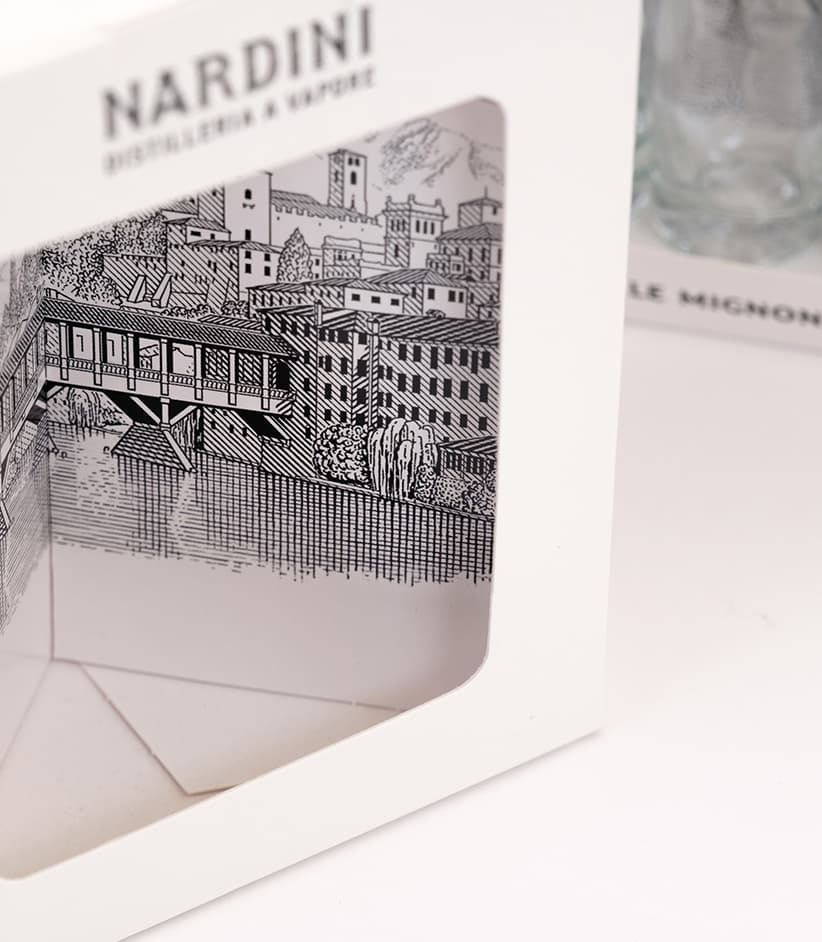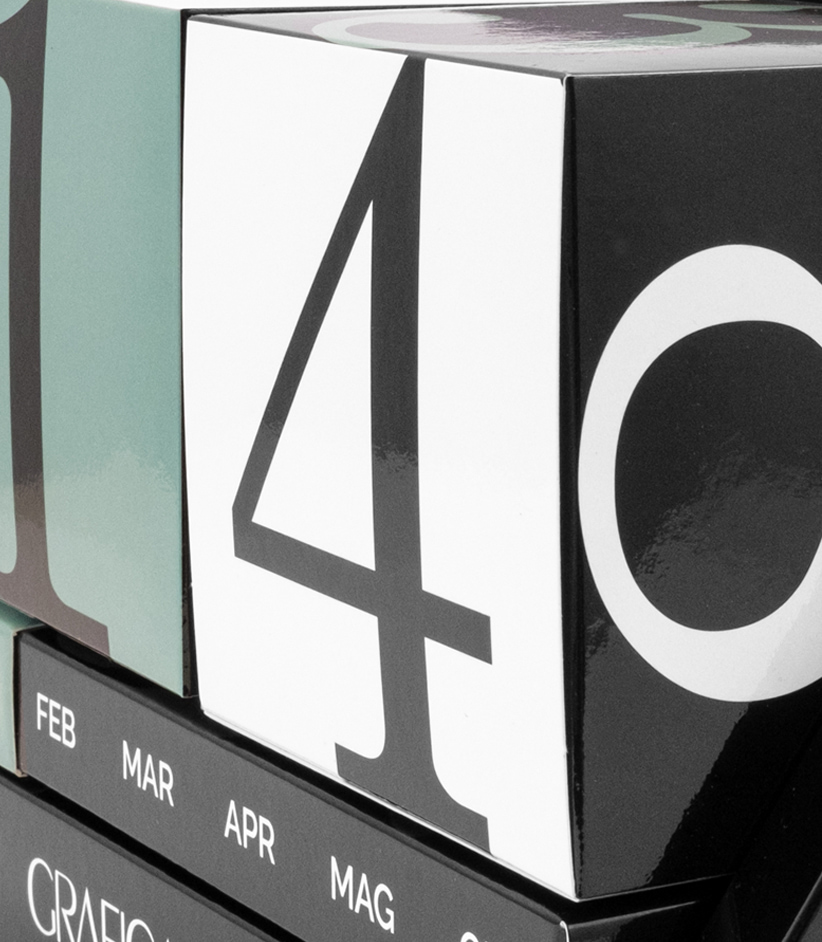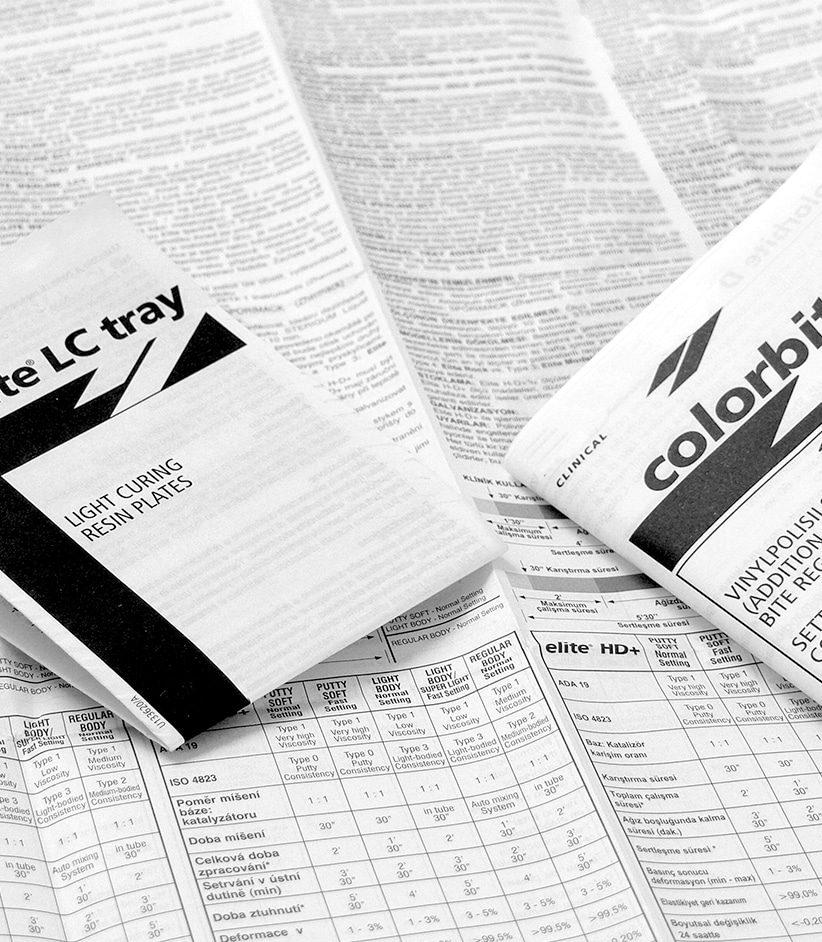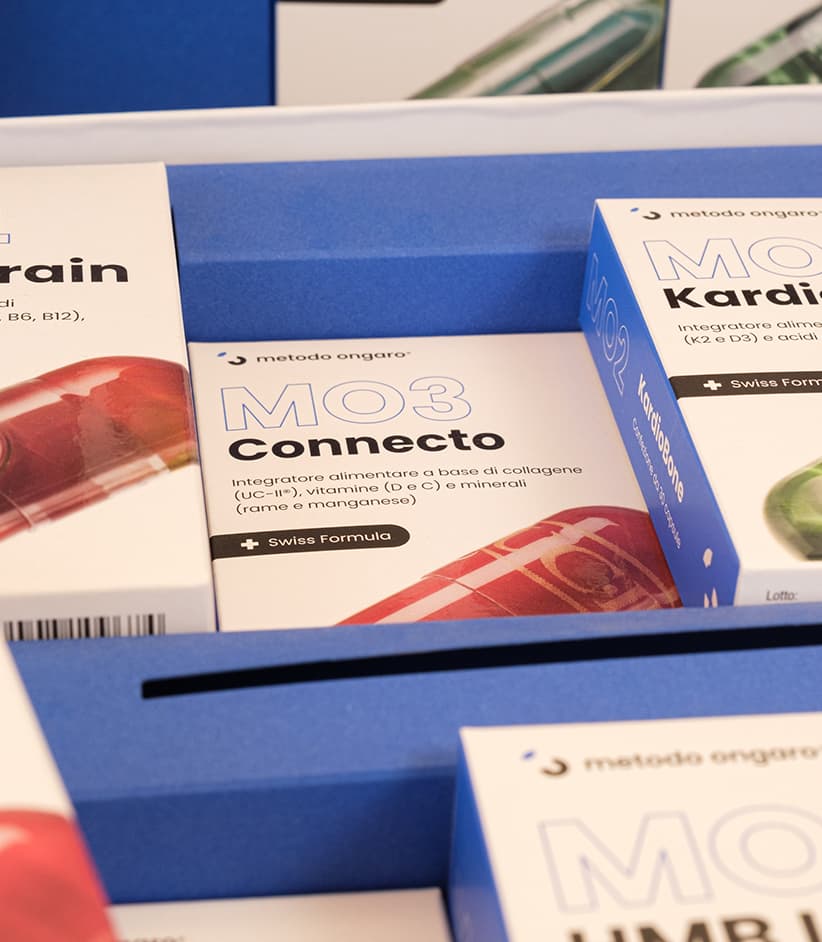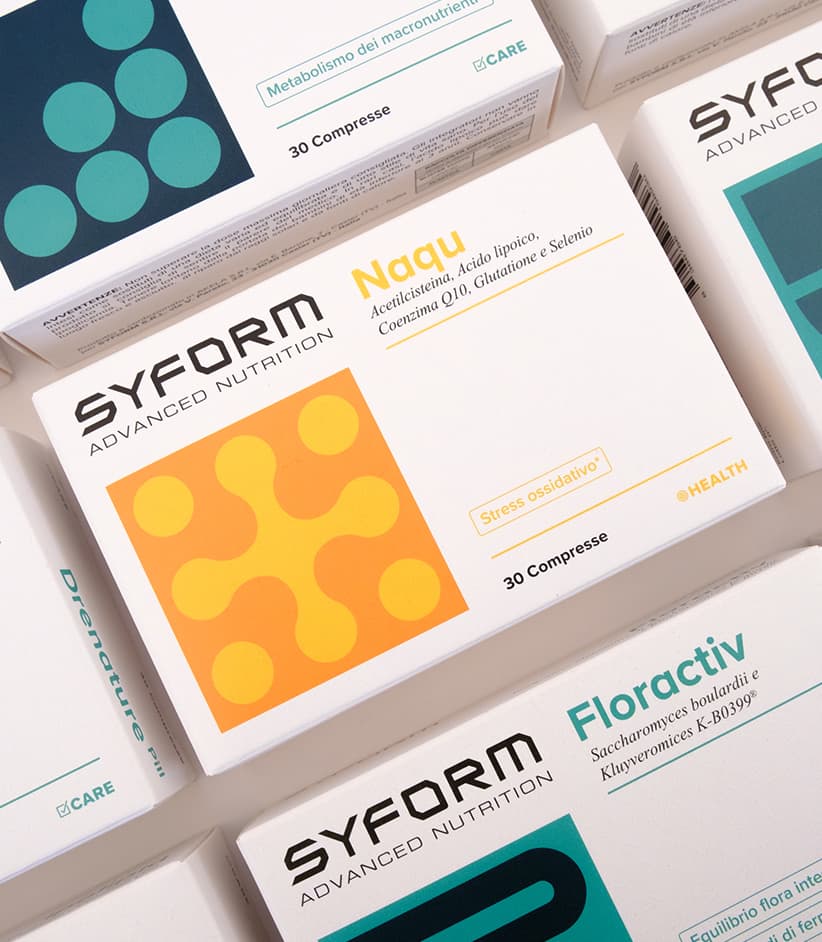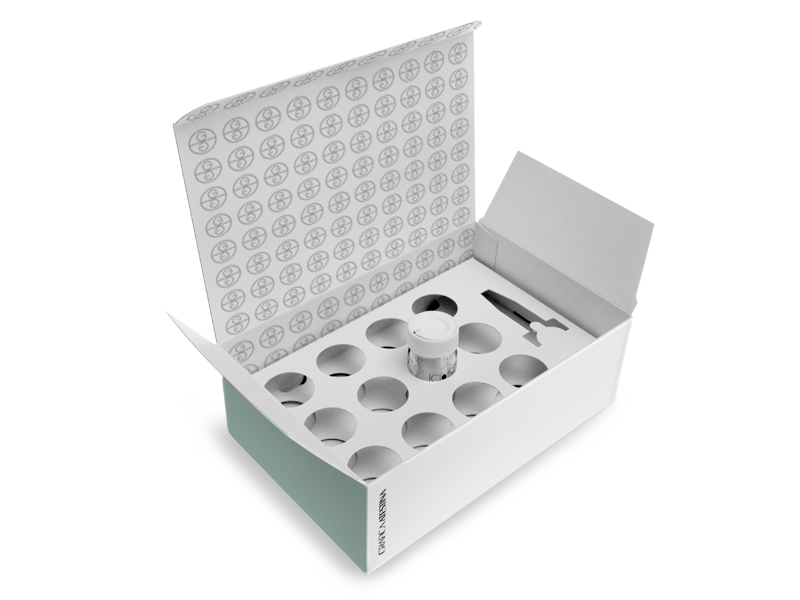




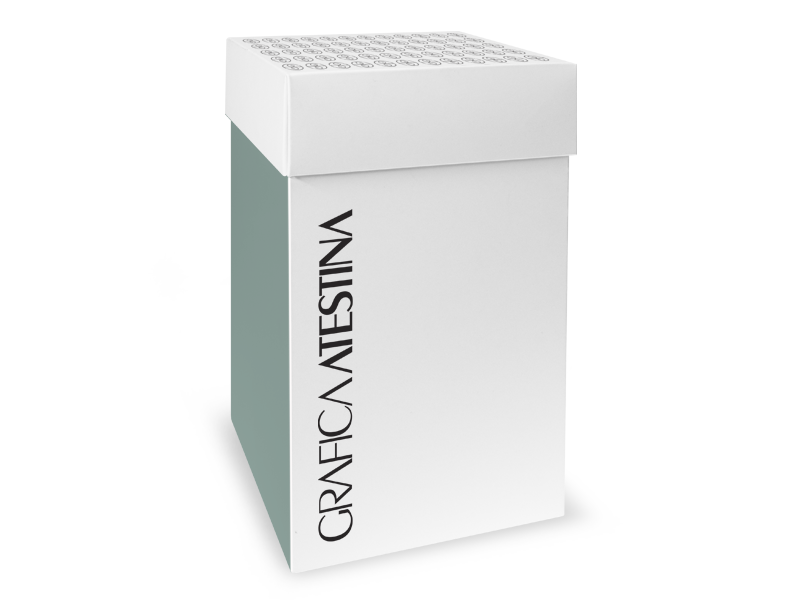
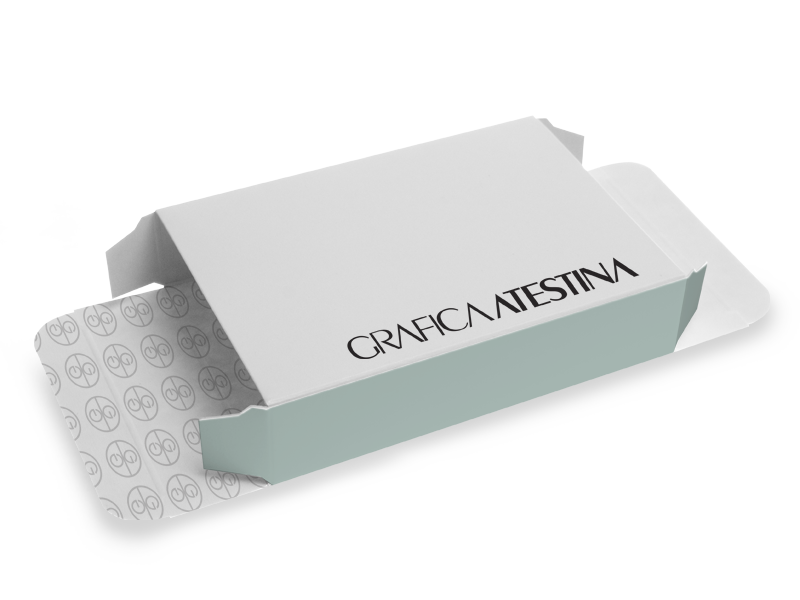
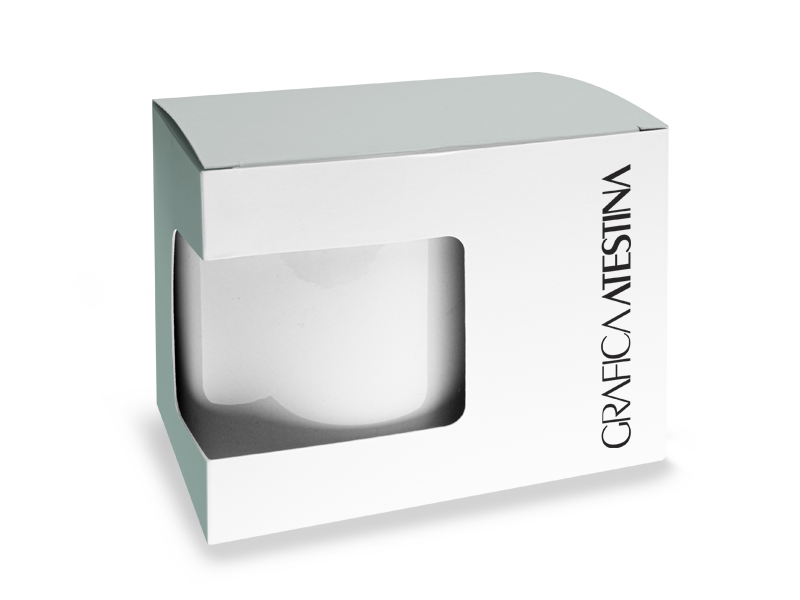
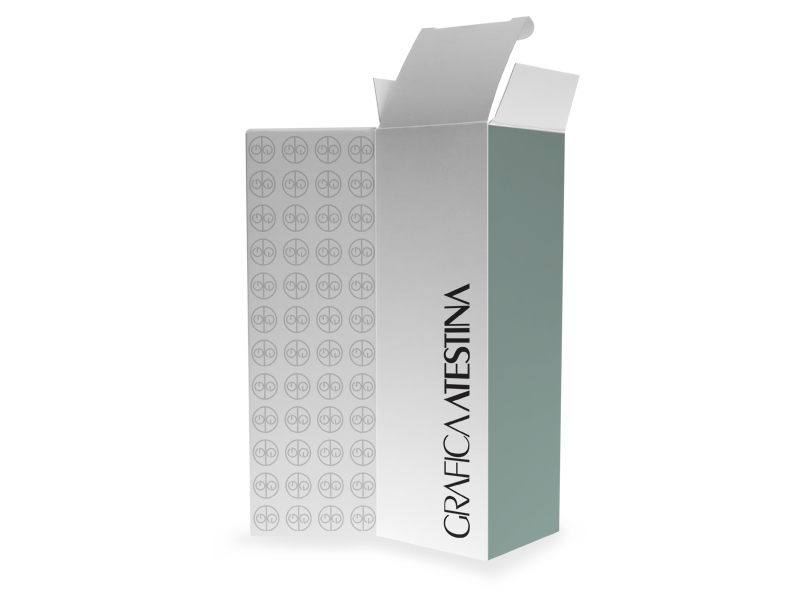
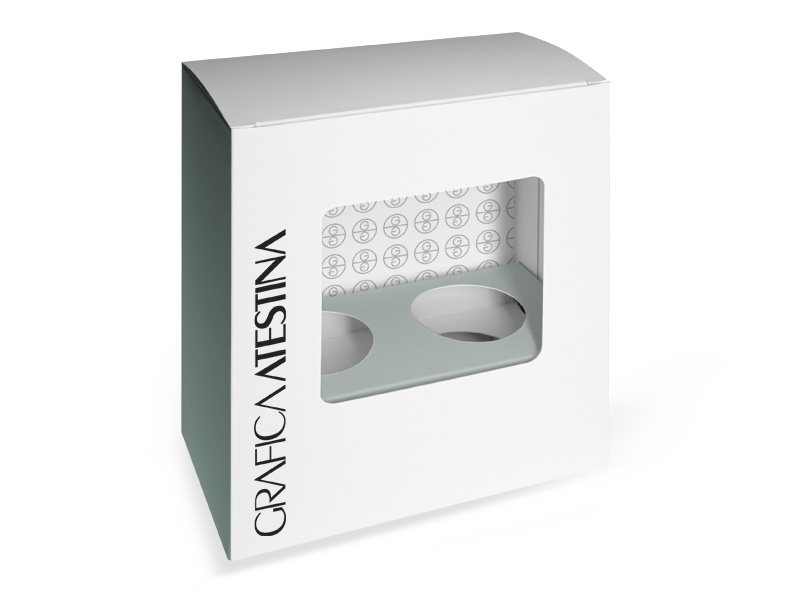
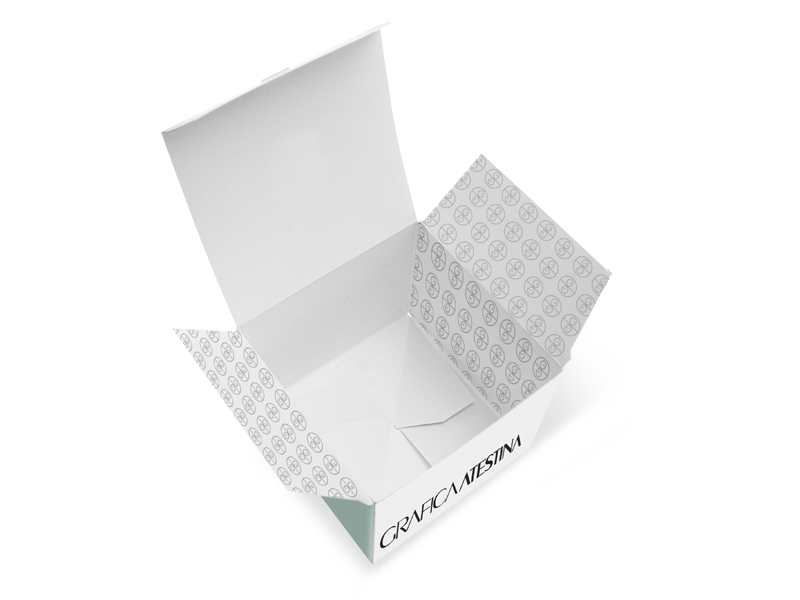
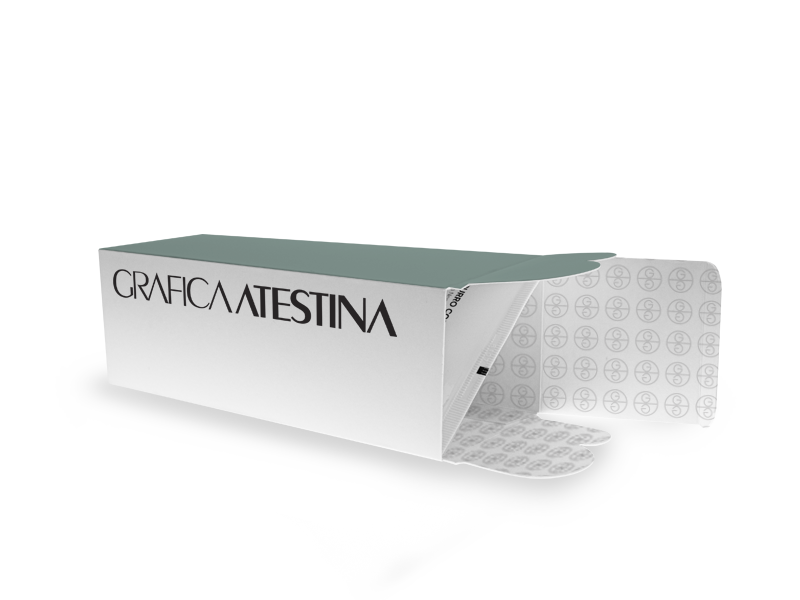
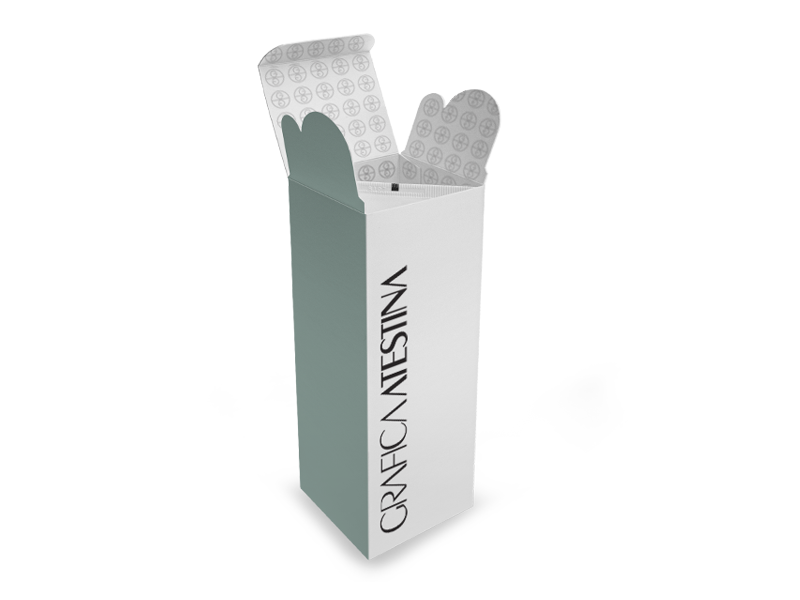
At Grafica Atestina we offer a bespoke packaging design service based on the type and material used. We guide the customer in the choice between different types of cartons: linear in stretched cardboard, with automatic bottom, with pavement support, self-assembling, with internal separators, windowed and laminated.
We produce boxes in single or double-coated, recycled, thick or pure cellulose cardboard. The materials are sourced from the best suppliers on the market, selected with the utmost care and with a focus on quality and sustainability.
After having listened to the needs and analyzed the specifications of the order, we create a blank prototype to verify its characteristics, functionality and suitability for the customers machinery.
If necessary, we can provide a pre-run useful, as a trial, for the customer's industrialization tests.
Once approved, the project moves on to production, where we apply finishing touches to embellish the packaging, such as hot foil, embossed and UV varnishing.
We die-cut and glue the cases, checking every detail, the last step is the outgoing control, carried out meticulously by our Quality Manager. Only after his approval do we entrust the lot to our logistics department.
We manage order storage with maximum efficiency and guarantee batch traceability through coding.








This is a key difference for the customer’s production line.
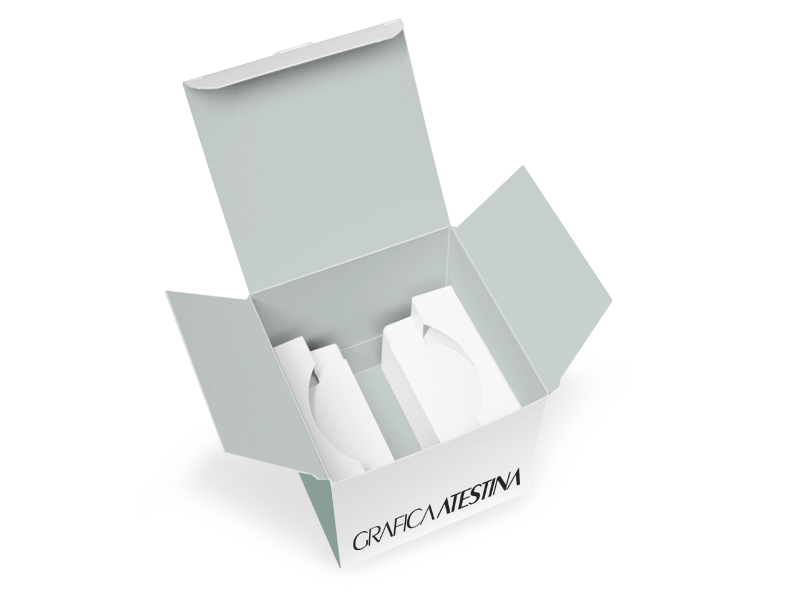
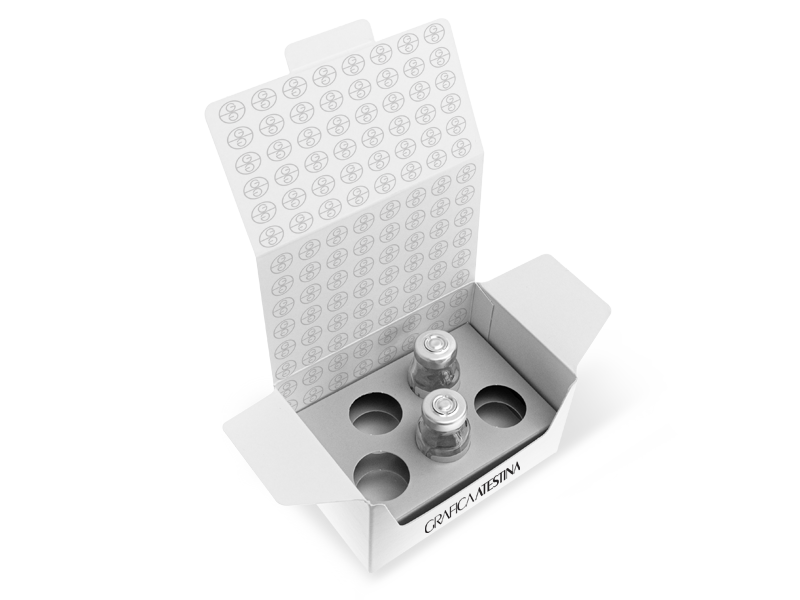
-A pavement support (or “raised insert”) is an internal die-cut insert, often an integral part of the case itself, that lifts and secures the product (e.g., a jar or bottle) in a specific position.
-Internal dividers, on the other hand, are cardboard inserts that create custom-fit compartments, preventing multiple items (such as vials or samples) from touching one another. Thanks to these solutions, even the most delicate materials, such as glass, remain protected from shocks and vibrations during transport, ensuring the integrity of the shipment all the way to the end customer.
It depends on the product's weight and placement.
This is a fundamental guarantee that stems from our experience in the pharmaceutical industry. It means that every production batch is coded and tracked: we can trace the materials used (such as the specific batch of FSC® paper), the machines, and the operators involved in the process at any time.
For the customer, this transparency provides the highest assurance of compliance, an essential factor for successfully passing inspections or audits.
This is a request we’re seeing more and more often. In addition to the classic window made from recycled PET or compostable PLA, our engineering department specializes in eco-design. We design “smart windows” (die-cut openings with complex shapes) that showcase the product without using any additional materials.